
Young Investigators Step Into the World of Crime Scene Science
Instead of spending their summer solving fictional mysteries, a group of area children spent three days learning how real investigators piece together the evidence left behind at crime scenes.
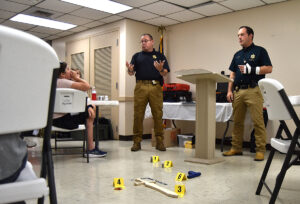
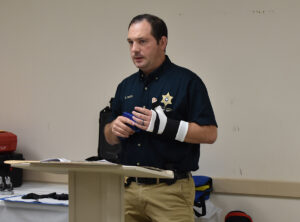
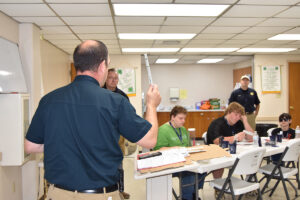
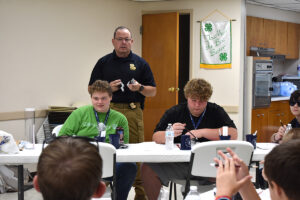
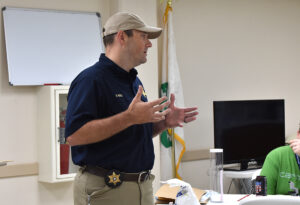
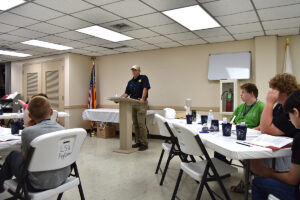
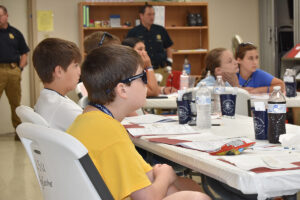
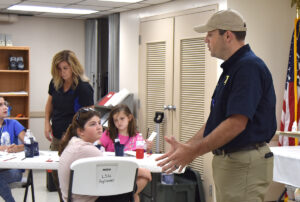
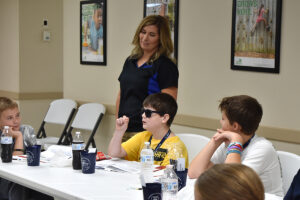
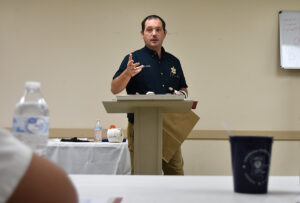
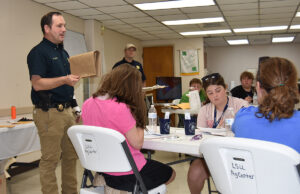
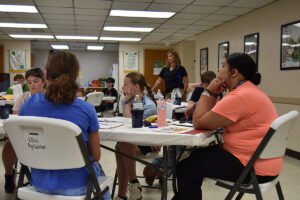
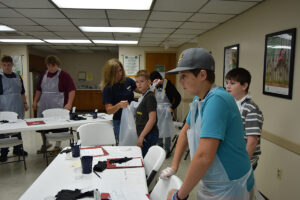
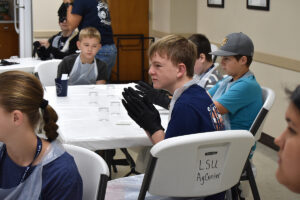
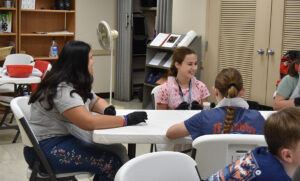
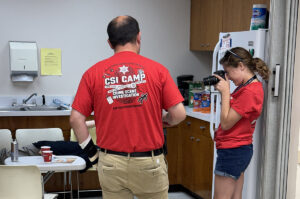
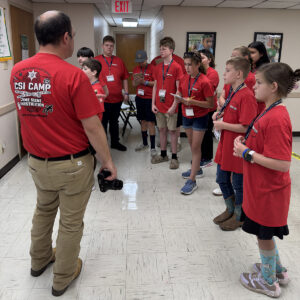
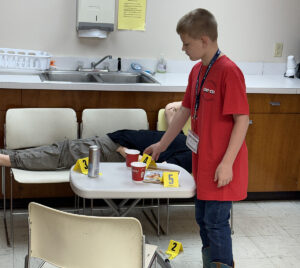
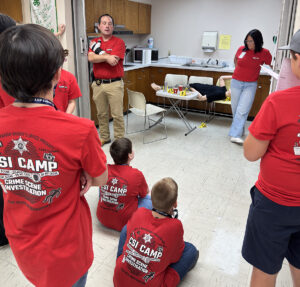
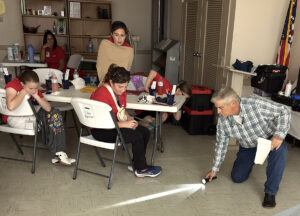
Boys and girls between the ages of 10 and 13 participated in the annual 911 Camp, held in the 4-H meeting room in the basement of the Jena Courthouse. Throughout the camp, local law enforcement officers and emergency responders introduced the young participants to the science and techniques used every day in criminal investigations.
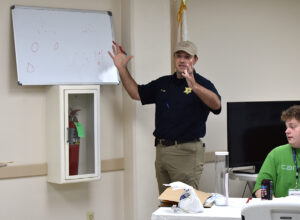
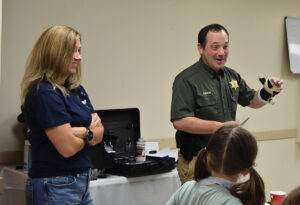
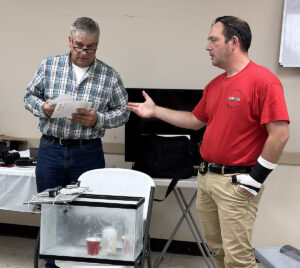
One of the campers’ favorite sessions explored the fascinating world of blood spatter analysis. Using a dry erase board, instructors explained the different types of blood spatter patterns investigators encounter and how each can help tell the story of what happened at a crime scene. By examining the size, shape and direction of the droplets, investigators can often determine the type of force involved and even the movement of a victim or suspect. To make the lesson interactive, one camper was invited to the board to draw a blood spatter pattern while instructors discussed what investigators might conclude from the evidence.
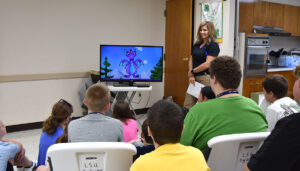
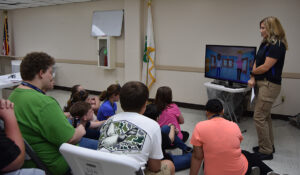
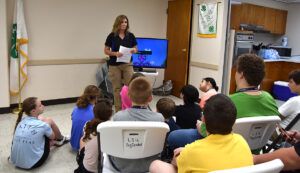
The camp also focused on public safety. Officer Jenny Parker led a lesson on the dangers of opioids, showing an educational video that highlighted the deadly threat posed by fentanyl. Campers learned that even a tiny amount of fentanyl mixed into an illegal street drug can be fatal, reinforcing the importance of making safe choices and understanding the risks associated with illicit substances.
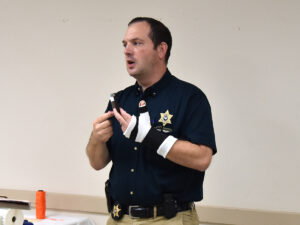
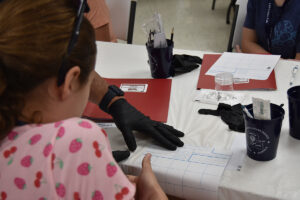
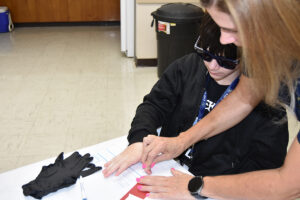
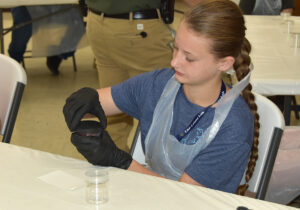
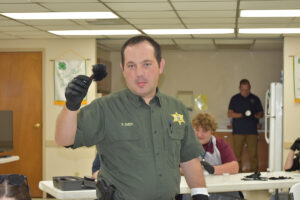
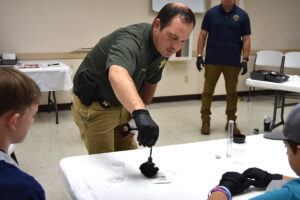
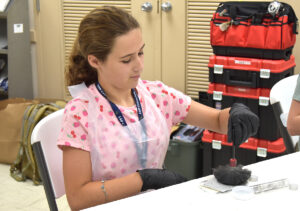
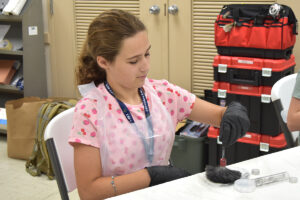
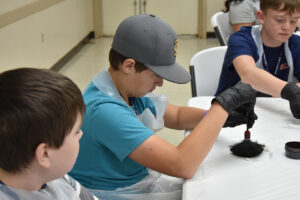
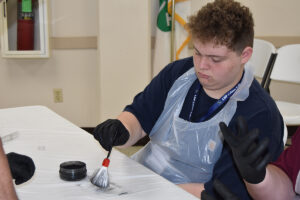
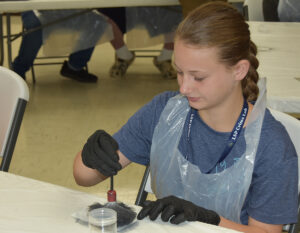
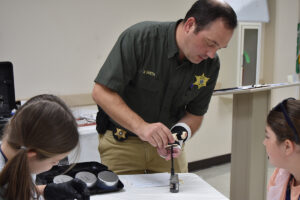
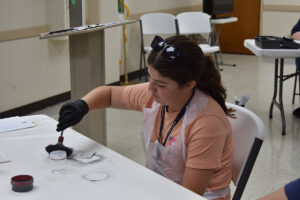
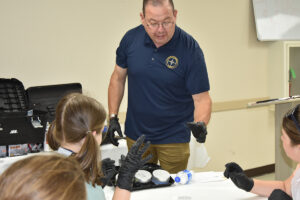
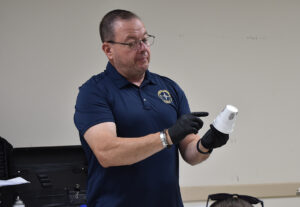
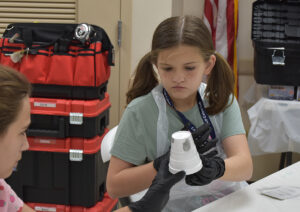
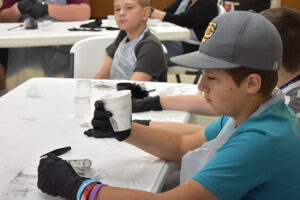
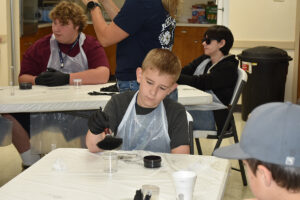
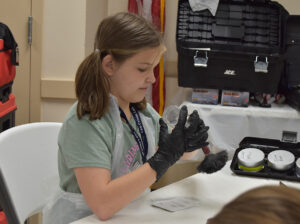
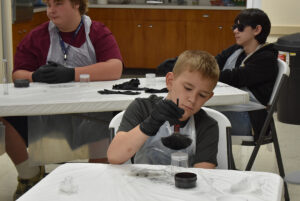
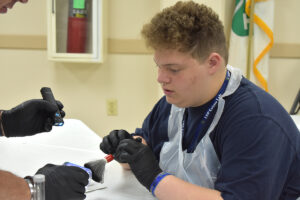
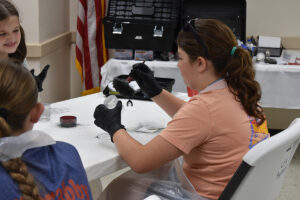
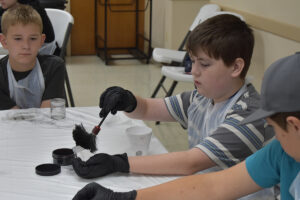
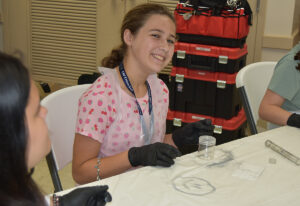
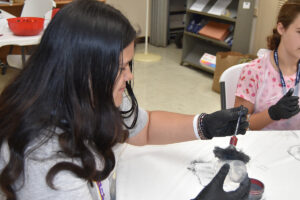
For many of the campers, the highlight of the week came during the fingerprinting lesson. Officers demonstrated how crime scene investigators develop latent fingerprints using black fingerprint powder and specialized brushes, many of which are made from soft horsehair or similar materials. The children carefully dusted plastic capsule lids and tabletops, watching as hidden fingerprints slowly appeared beneath the black powder. An officer even pressed his own fingerprint onto the practice surfaces so campers could experience the satisfaction of revealing a clear print just as professional investigators do.
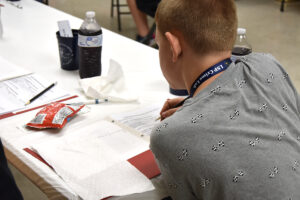
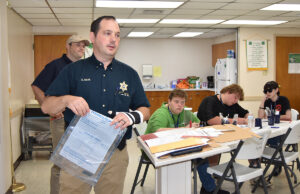
To reinforce each day’s lessons, campers received informational pamphlets covering the topics they had explored. The materials not only helped them better understand the techniques they had learned but also gave them something to take home and share with their families.
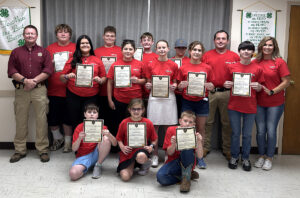
By the end of the three-day camp, the young participants had gained far more than a glimpse into crime scene investigations. They left with a greater appreciation for the work performed by law enforcement officers, a better understanding of personal safety, and memories of an educational experience that transformed them from curious campers into junior investigators— if only for a few days.